
Featured
TCL vs Hisense: Which Chinese Tech Giant Is Winning the Global Race?
In the battle to define the future of global consumer electronics, two names from China have steadily risen to rival the Korean tech incumbents: TCL and Hisense. Once known for affordable TVs, these companies are now redefining what it means to be a tech giant, expanding into premium televisions, smart appliances, and the sprawling world of AIoT. But as their strategies diverge and overlap in complex ways, one question lingers: who’s actually winning this global race?
Dominating Screens Worldwide
TCL and Hisense are now two of the biggest players in the global TV market. In 2023, TCL shipped 26.2 million units while Hisense shipped 27 million. These numbers placed them just behind Samsung in volume, pushing LG to fourth. By Q4 2024, TCL and Hisense together held a 30.2% global market share, exceeding the combined share of Samsung and LG.
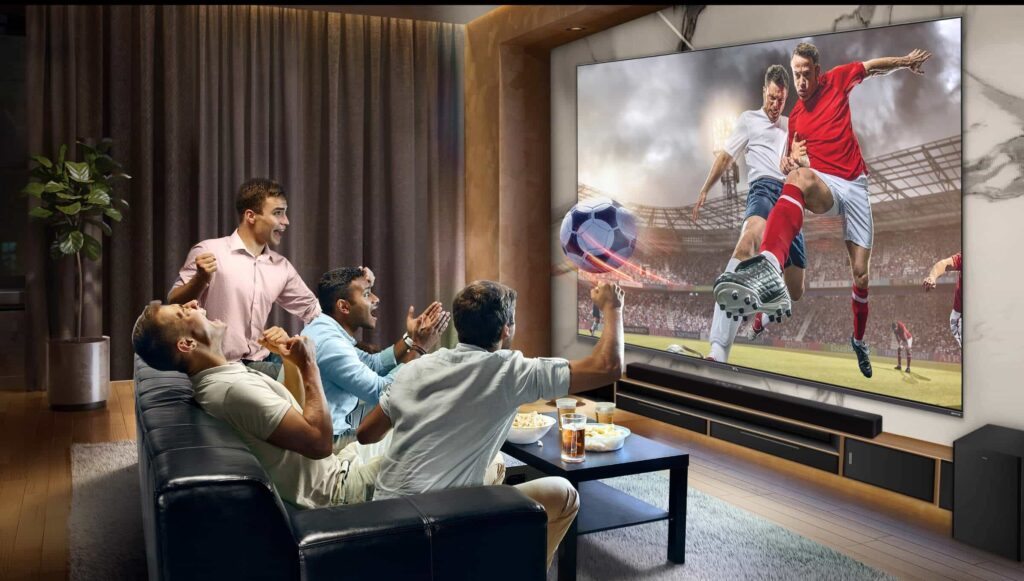
Samsung still leads in revenue due to its focus on high-end OLED and QD-OLED models. TCL and Hisense are closing the gap by expanding into Mini-LED and QLED categories. TCL has seen strong adoption of its Mini-LED TVs and leads the 85-inch+ TV segment globally. Hisense continues to push its proprietary ULED tech and Laser TVs, offering large-screen alternatives with short-throw projectors.
TCL holds an edge in panel manufacturing through its display arm CSOT, which allows better control over quality and cost. Hisense has prioritized visual processing hardware and has started integrating its own image quality chips into new TV lines. In premium TV shipments, TCL overtook LG in 2024, signaling progress beyond volume.
Home Appliances: Hisense Leads, TCL Catches Up
Hisense has built a strong global appliance portfolio. Its acquisition of Gorenje in 2018 and Sanden in 2021 expanded its product lineup and manufacturing reach across Europe and Japan. In 2023, Hisense Home Appliances posted revenue of approximately $12.1 billion, with nearly 100% year-on-year profit growth. The company’s eight-brand structure now covers refrigeration, laundry, HVAC, and kitchen appliances in key markets.
TCL entered the appliance segment more recently but is expanding quickly. It has added air conditioners, washing machines, and refrigerators to its overseas portfolio. In Europe, TCL reported over 50% sales growth in the first half of 2024. Although it currently lags Hisense in appliance breadth and brand recognition, TCL is leveraging its consumer electronics expertise to scale up quickly.
Hisense remains the clear leader in appliances, but TCL’s fast growth indicates increasing competition in the coming years.
AIoT and Ecosystem Play: Parallel Ambitions, Different Roads
Both brands are building ecosystems across their product categories. Hisense has integrated its appliances and electronics through the ConnectLife platform. In 2025, Hisense partnered with Google to support Home API and Matter-compatible devices, increasing compatibility with other brands and voice assistants.
TCL runs its own smart device ecosystem through the TCL Home app. The app connects TVs, appliances, and air conditioners while integrating cloud services and AI voice controls. TCL TVs also support Roku or Google TV, depending on the region, and function as smart hubs.
Neither company controls a tightly locked ecosystem like Apple or Samsung. However, both have gained ground by offering open, flexible compatibility. Hisense’s use of multiple brands within its smart ecosystem gives it wider appliance integration. TCL’s broader product scope, including AR glasses and smartphones, positions it as a generalist tech player.
Innovation Muscle and Manufacturing Power
TCL has invested heavily in display technology. It operates 46 R&D centers worldwide and is vertically integrated with CSOT. TCL leads global shipments in extra-large TVs and has aggressively pushed affordable Mini-LED models. Its X955 TV with over 5,000 dimming zones is an example of its push into high-spec displays.
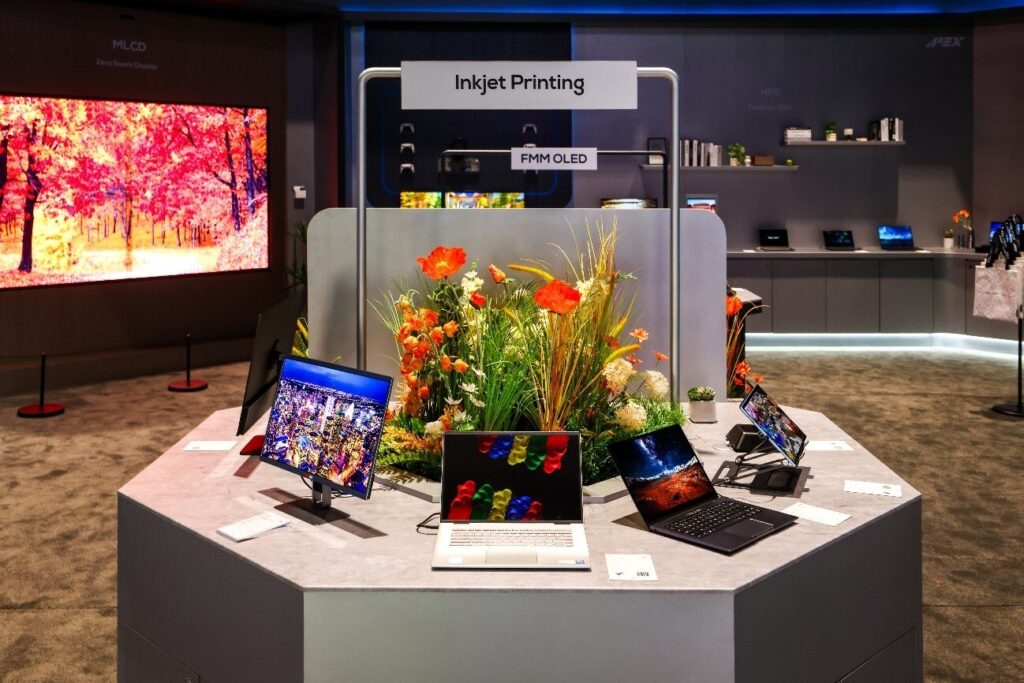
The company is also developing Inkjet-printed OLED panels, a next-generation display technology aimed at reducing OLED production costs. Mass production is expected to begin soon, which could help TCL compete more directly with high-end OLED players. Beyond TVs, TCL has expanded into the smartphone display business, supplying flexible OLED and high-refresh-rate panels to phone makers, further strengthening its position in the global display supply chain.
Hisense has focused more on processing chips and display enhancements. Its in-house AI image processors improve upscaling and motion smoothness across its newer TV models. Hisense has also built a strong position in Laser TV, a category it continues to promote as a premium alternative to large LED panels.
Both companies operate dozens of manufacturing bases worldwide. TCL has 38 global factories with major facilities in Mexico, Poland, and Vietnam. Hisense runs 36 factories and continues to add new ones, including a large facility in Serbia for refrigerators and another in Egypt for TVs and appliances. These global operations help both brands reduce tariff risks and tailor products to regional needs.
Branding, Strategy, and Global Recognition
Hisense has focused heavily on sports sponsorships to boost its brand. It has been a key sponsor of UEFA, FIFA, and the NBA. The brand’s 2024 Euro campaign used the slogan “Never Settle for No.2 Globally” and emphasized its top-tier ambitions. These campaigns have helped improve Hisense’s brand awareness across North America, Europe, and Asia.
TCL has used similar strategies, partnering with global sports organizations and athletes. It signed Neymar Jr. as an ambassador and partnered with FIBA and NBA teams. In 2024, TCL became an official global partner of the Olympic Games and Paralympics through 2032, marking a major step in brand elevation.
TCL positions itself as a premium technology company. Its branding highlights innovation, design, and youth-focused messaging. Hisense emphasizes reliability, product quality, and performance. Both companies use multi-brand strategies to target various market tiers. TCL maintains Iffalcon and Thomson brands in specific markets. Hisense operates ASKO, Kelon, and Ronshen in parallel with its main brand.
Strategic partnerships with Google and Roku help both companies provide familiar software platforms on their smart TVs. Hisense integrates Google APIs in appliances, while TCL continues working with Roku and Google for global TV software distribution.
The Bottom Line: Who’s Winning?
Hisense currently leads in appliances and overall revenue. It has used acquisitions to scale quickly and has a strong presence in multiple categories. TCL leads in display technology, premium TV segments, and has a wider portfolio that includes mobile devices and AR glasses.
TCL is growing faster in premium TV shipments and has a more advanced R&D structure in display manufacturing. Hisense has built a stronger global brand presence in home appliances and continues to gain recognition through high-profile sports sponsorships.
The global race between TCL and Hisense remains close. Both brands are transforming their images, expanding globally, and moving beyond budget perceptions. While they follow different routes, TCL through display innovation and TCL Home, Hisense through appliance leadership and Google integration, they are reshaping the global tech industry.
The winner may not be determined by volume alone. Success will depend on brand equity, profitability, and consumer loyalty in premium segments. For now, the competition remains tight, and consumers worldwide are benefiting from better technology at more affordable prices.
In related news, we have recently covered how to calibrate your TCL TV for optimal picture quality and explored whether TCL NXTPAPER displays are actually better for your eyes compared to AMOLED or IPS panels.



Featured
Best TCL Gaming TVs You Can Buy Right Now
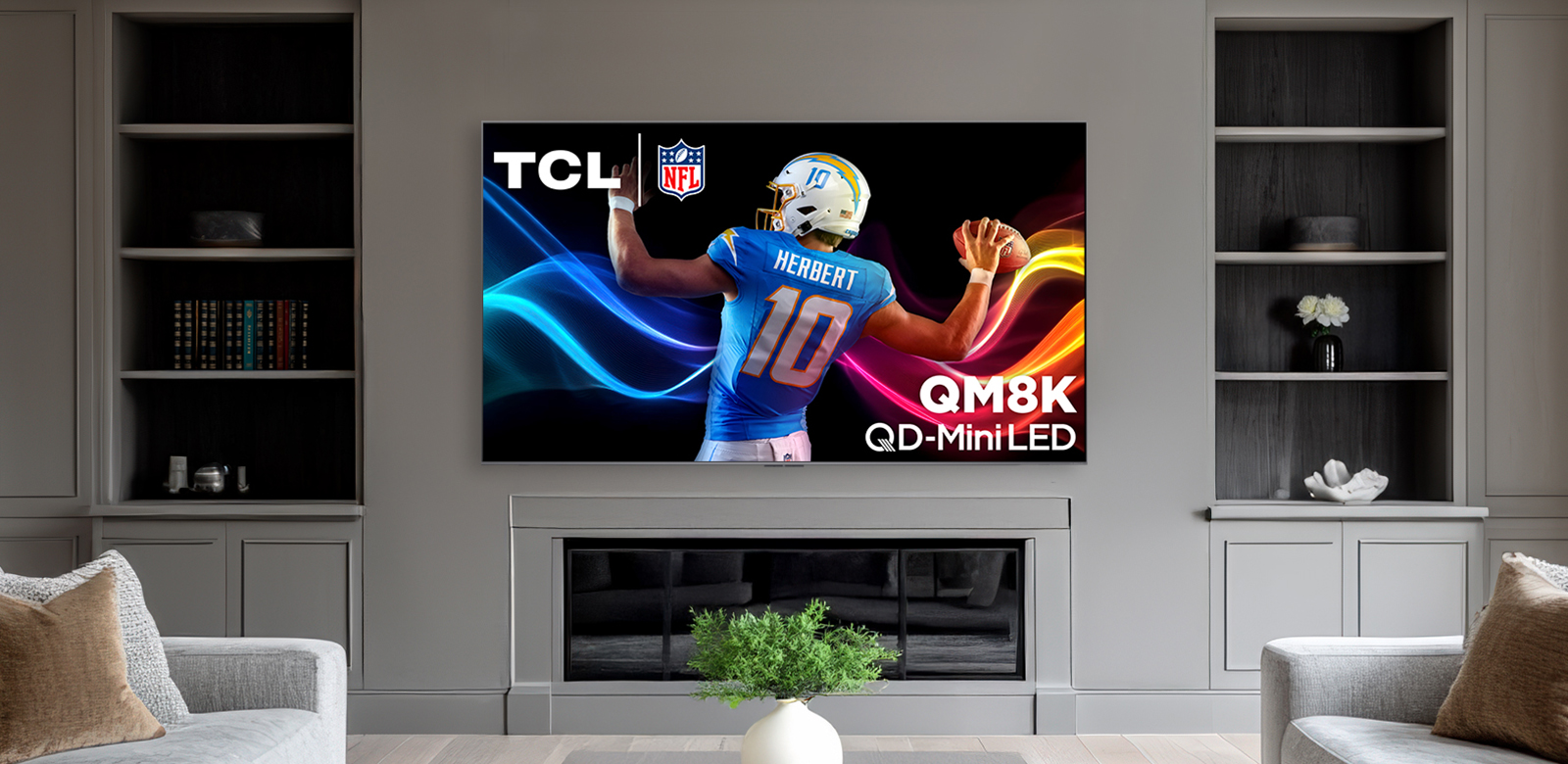
In 2025, TCL aggressively redefined the gaming TV market by upgrading its entire “K-Series” lineup to Mini-LED technology and native 144Hz refresh rates. Gamers, especially those with a console, turn to TVs for their gaming needs. TCL has something for everyone, and some of the most competitive gaming displays available. Often, some of them make mistakes while selecting a model. To clear that confusion for you, here is the list of the best TCL gaming TVs this year, categorized by performance and value for your convenience.
1. TCL QM8K
–The “No Compromise” Flagship
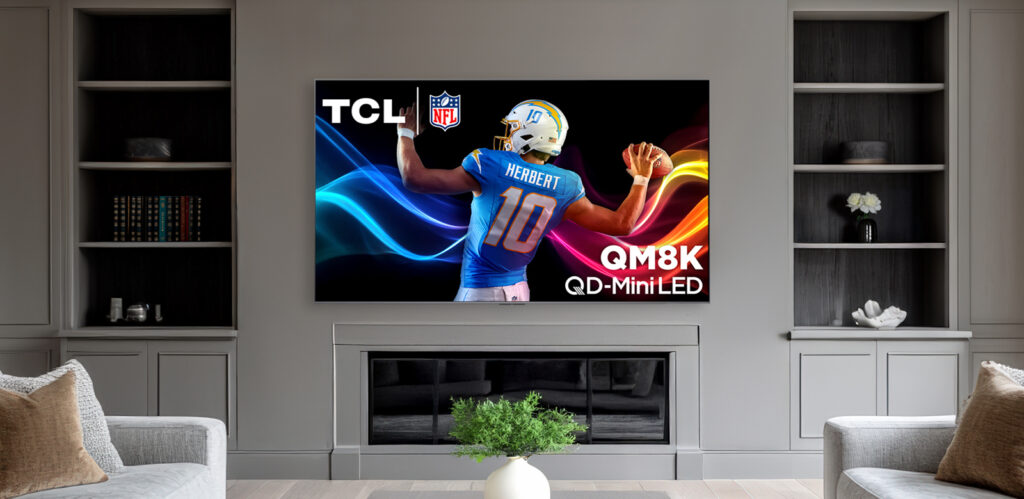
The TCL QM8K is the undisputed king of TCL’s 2025 lineup and arguably the best high-end gaming TV for the money. For what it offers, the TV takes on some of the high-end models on the market, including Samsung’s NEO QLEDs and Sony’s Mini-LEDs, while exceeding them in brightness.
The astounding peak brightness, often exceeding 5,000 nits and over 5,000 local dimming zones, makes the TV a standout in the sea of options. This allows for ink-deep blacks that rival OLEDs, but with significantly higher brightness that makes HDR highlights in games like Cyberpunk 2077 or Call of Duty pop, even in bright rooms.
For gamers, you get a 144Hz native refresh rate, low input lag, Game Accelerator 240, and AMD FreeSync Premium Pro. The TCL QM8K TV starts at $1,500 and goes up to $4,000 for the 98-inch model. You can buy it here.
2. TCL QM7K
–The Best Value
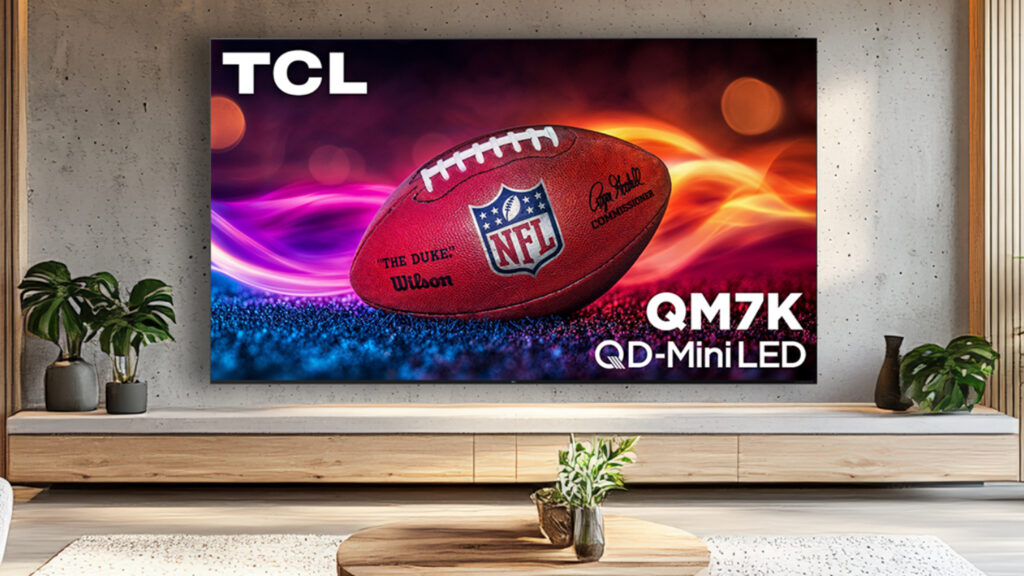
If you think the QM8K is an overkill for your living room, the TCL QM7K is the smart alternative. The QM7K brings premium specs down to a mid-range price. While it’s nearly identical to the QM8K, the dimming zones are fewer, i.e., ~2,500 zones, which is still very remarkable.
It offers a native 144Hz panel, VRR support, and up to 3,000 nits HDR brightness. It automatically detects consoles to switch into Auto Game Mode (ALLM), ensuring you always get the lowest latency without diving into menus. There’s Motion Rate 480 with MEMC Frame Insertion and Game Accelerator 288. For audio, you get audio by BANG & OLUFSEN and Dolby Atmos. You can get the TCL QM7K for a starting price of $750.
3. TCL QM6K
–The Best Gaming TV of 2025
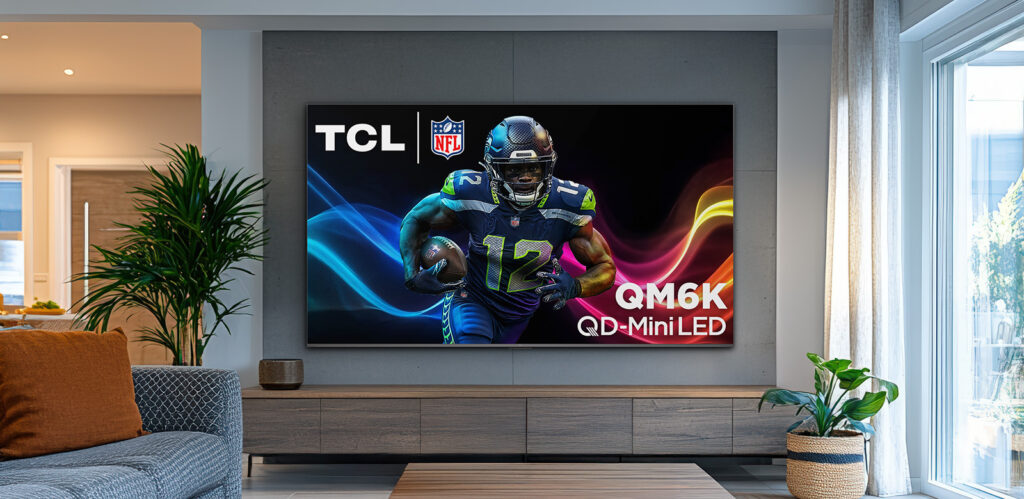
The biggest surprise of 2025 is the TCL QM6K. Historically, TCL’s “6-Series” or “Q6” lines were standard LED TVs, often limited to 60Hz. The new QM6K changes everything by introducing Mini-LED backlighting and a native 144Hz panel to the budget tier. It’s not that often we see a budget TV with true 120Hz/144Hz support, let alone Mini-LED. This makes it the absolute best TV for PS5 and Xbox Series X owners.
For gamers, you get a 144Hz native refresh rate, so all your games can run at 120Hz. Additionally, you get Game Accelerator 288, Motion Rate 480 with MEMC Frame Insertion. The TV also gets you Dolby Vision IQ for enhanced picture quality, Dolby Atmos, and DTS Virtual: X. You can purchase the TCL QM6K at a starting price of $530.
4. TCL T7
–The Best Mid-Range Gaming TV
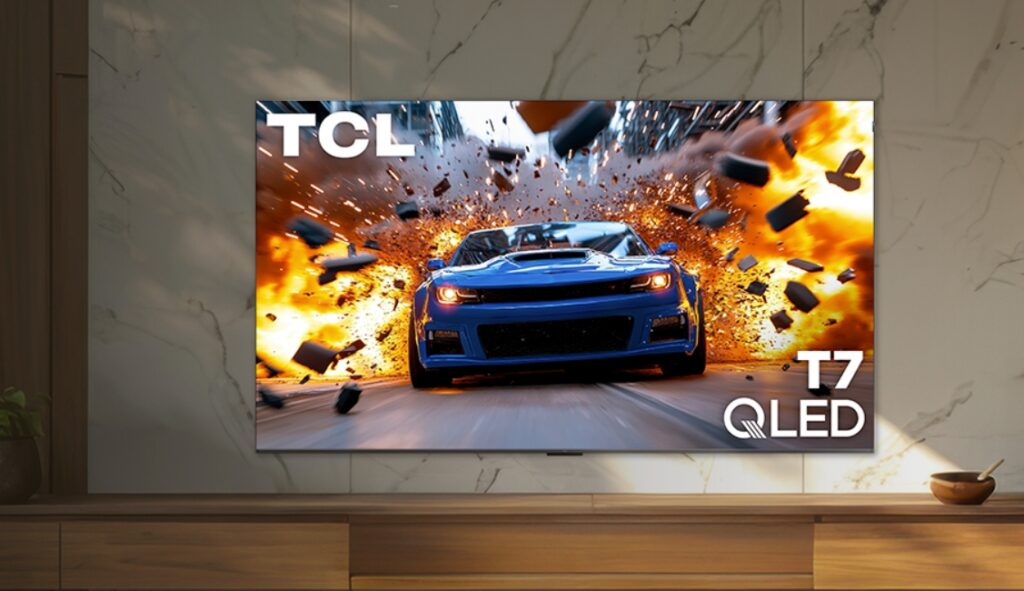
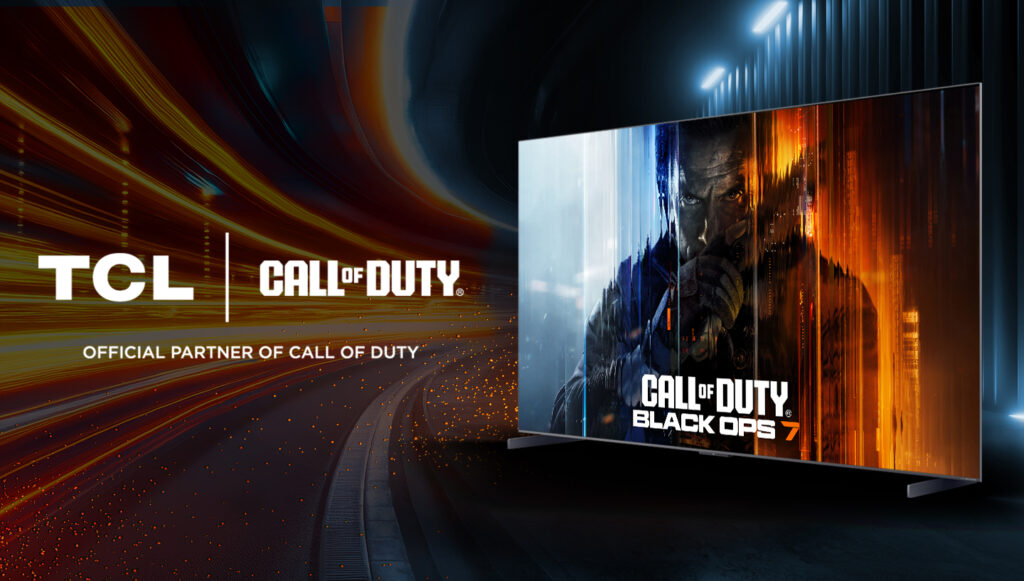
If you have a starting budget of under $600, the TCL T7 series is the one to go for. This is, in fact, an official partner of the Call of Duty game. It is the brand’s new lineup and offers a QLED-Quantum Dot Technology and a 4K UHD panel. The panel offers a 120Hz high refresh rate and a 144Hz variable refresh rate (65-inch model and above).
All the important gaming features like the Game Accelerator 288, Motion Rate 480 with MEMC Frame Insertion, and Auto Game Mode (ALLM) are accounted for. Rest, the TCL T7 line offers HDR10+ with Dolby Vision, HDR10+, Onkyo 2.1 speaker system, and Dolby Atmos audio. The TCL T7 lineup starts at $600, and you can buy it from here.
5. TCL Q7
–Best Budget Gaming TV
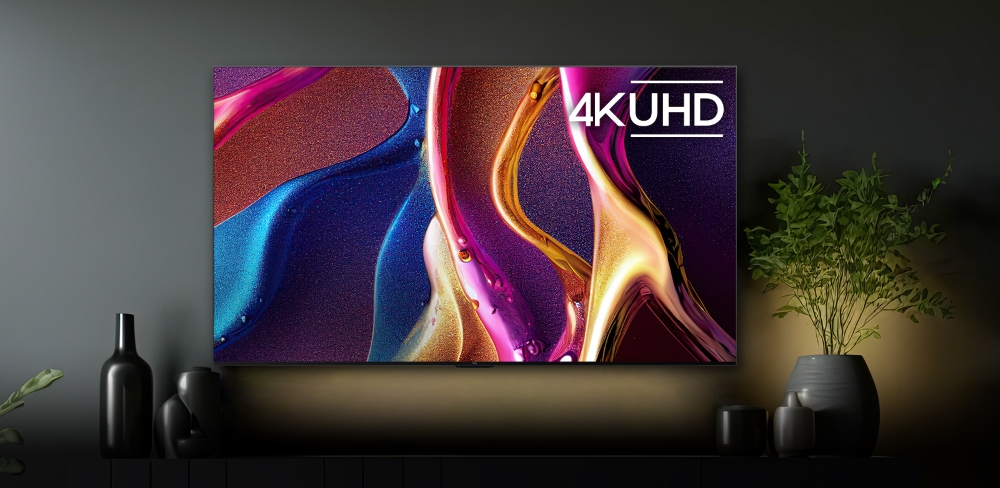
The TCL Q7 is a right pick for those on a fixed budget, but still want a premium experience. The TV offers a 4K UHD panel with QLED-Quantum Dot Technology and high brightness PRO LED backlighting with up to 1,000 peak nits. It also offers a Full Array Pro Local Dimming with up to 200+ Dimming Zones.
Gamers will be happy to learn that the TCL Q7 offers a 144Hz variable refresh rate, Motion Rate 480 with MEMC Frame Insertion, and Auto Game Mode (ALLM) with AMD FreeSync Premium Pro. Besides the hardware, the Q7 is also quite aesthetic with FullView Metal Bezel-less Design, so it should be good to look at in your living room. The TCL Q7 starts at $400, and you can buy the TV from here.
What to Look for in a TCL TV While Buying for Gaming?
When buying a TV for your gaming needs, you need to check for certain features that will enhance the experience further. These include variable refresh rate, ALLM, Game Accelerator, and MEMC.
- ALLM (Auto Low Latency Mode): It ensures the TV automatically removes processing to minimize input lag the moment you launch a game on PS5 or Xbox.
- Variable Refresh Rate (VRR): This is a gaming-focused feature that allows the TV to dynamically adjust its refresh rate to match the fluctuating frame rate of a gaming console or PC.
- MEMC: This is a frame interpolation technique where the TV’s processor creates artificial “in-between” frames. MEMC inserts extra frames to match the TV’s 120Hz capability, making the movement appear fluid and less jittery.
- Game Accelerator: This artificially doubles the refresh rate for gaming, allowing smoother motion. It typically enables a 120Hz/144Hz panel to handle 240Hz signals (Game Accelerator 240)
Comparison of Best TCL Gaming TVs
| Model | Panel Type | Native Refresh | VRR Support | Local Dimming? |
|---|---|---|---|---|
| QM8K | QD-Mini LED | 144Hz | Yes (FreeSync Pro) | Yes (5000+ zones) |
| QM7K | QD-Mini LED | 144Hz | Yes (FreeSync Pro) | Yes (1500+ zones) |
| QM6K | QD-Mini LED | 144Hz | Yes | Yes (500 zones) |
| TCL T7 | QLED – Quantum Dot | 120Hz | Yes (144Hz) | No |
| TCL Q7 | QLED – Quantum Dot | 120Hz | Yes | Yes |
Conclusion
For 2025, the TCL QM7K stands out as the best choice for the vast majority of gamers, offering a perfect balance of high-end Mini-LED performance and value. For those who want the absolute best HDR experience with blinding highlights, the TCL QM8K is the one to beat. Perhaps most impressively, the QM6K has completely redefined the budget category; if you have a limited budget but demand 120Hz performance for your console, the QM6K is arguably the only TV you should consider.
For those wanting a gaming TV and don’t have a big budget, the TCL T7 hits the right spot. It is a perfect choice for casual gamers, with all the notable gaming features accounted for. Lastly, the TCL Q7 is for those wanting a budget model with value-for-money hardware.
In related news, we recently covered the best TCL TVs under $500 you can buy in 2025. You can check it out as well.
Buying Guides
Best TCL TVs Under $500 You Can Buy in 2025
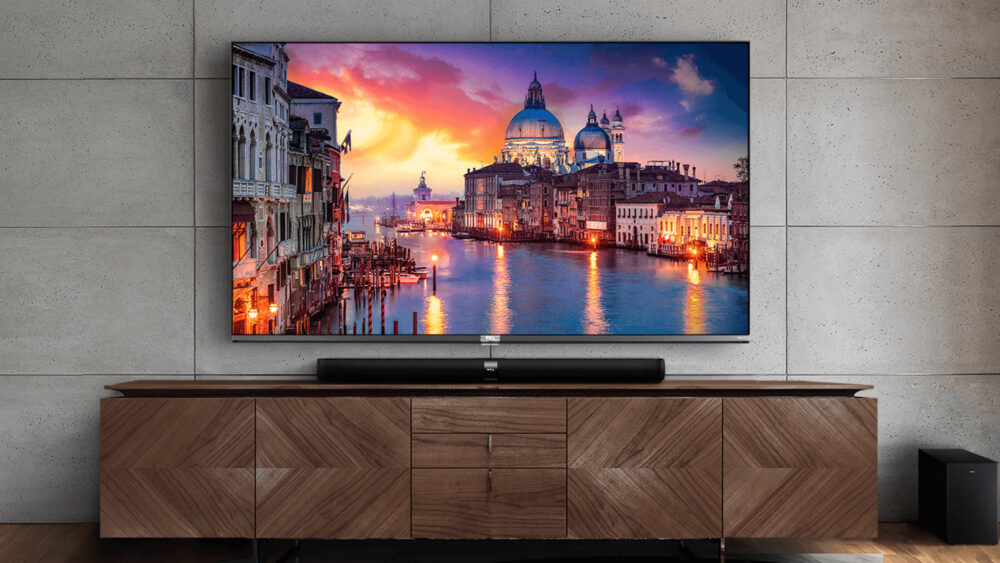
What sets TCL apart from other brands when it comes to TVs is the pricing. The company offers a wide range of options in the sub $500 category, where you can easily score models with 50-65-inch sizes. When there are many options, picking the one TV that suits your needs can get tough. Below are five strong options in the sub $500 price segment to clear that confusion.
Best TCL TVs Under $500
1. TCL QM6K Mini-LED
– Best Overall Under $500
The TCL QM6K is considered TCL’s best-value Mini-LED TV. This brings quantum dots, up to 500 local dimming zones, and around 700-nit HDR brightness at budget prices. You get a 144Hz native refresh rate, Motion Rate 480 with MEMC Frame Insertion, AIPQ Pro Processor with Deep Learning AI, and Google TV smart OS. The TCL TV gets new Filmmaker Mode, IMAX Enhanced Certification, and Dolby Vision IQ. For audio, the TV gets you an Onkyo 2.1 speaker system with Dolby Atmos and DTS Virtual: X.
It is available in multiple sizes from 50 to 65 inches. You can score the 65-inch model for under $500 during the holiday sale.
2. TCL QM5K Mini-LED
– Runner-Up Picture Quality
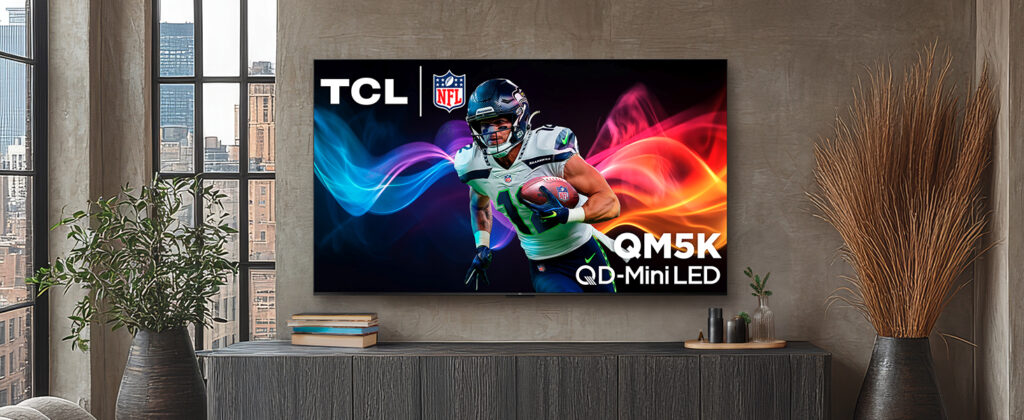
This Best Buy-exclusive TCL QM5K Mini-LED TV comes with up to about 300 local dimming zones. It offers contrast close to the QM6K but with a 60Hz native panel. There’s an Onkyo 2.1 speaker system with Dolby Atmos and DTS Virtual: X. The AiPQ processor uses AI to control contrast, motion, color, clarity, and upscaling. There’s HDR10 Pro+ with HDR10+, HDR10, and HLG, and 240Hz Motion Rate.
The 65-inch model, during promotions, can be yours for just $450, making it an ideal recommendation while also saving some bucks.
3. TCL T7 Series
– Newest Model
TCL T7 series is the brand’s new lineup that offers the latest and most modern features that one will expect. You get a QLED-Quantum Dot Technology panel with a 4K UHD panel. For gamers, this is a delight as it’s the official partner of the Call of Duty game. To that extent, you get a 120Hz high refresh rate, with a 144Hz variable refresh rate.
There’s TCL’s AiPQ processor to enhance the display experience, Game Accelerator 288, HDR Pro+ with Dolby Vision, HDR10+, HDR10, & HLG. The lineup gets Google TV OS with hands-free voice control, voice remote, Google Chromecast built-in, and AirPlay 2. Audio enthusiasts will be happy to know there’s Dolby Atmos support.
The 55-inch size is available for $380 on Amazon during this holiday season. If you have the budget, you can stretch to $500 and get the 65-inch variant.
4. TCL 4-Series / S455
– Cheapest 4K Roku TV
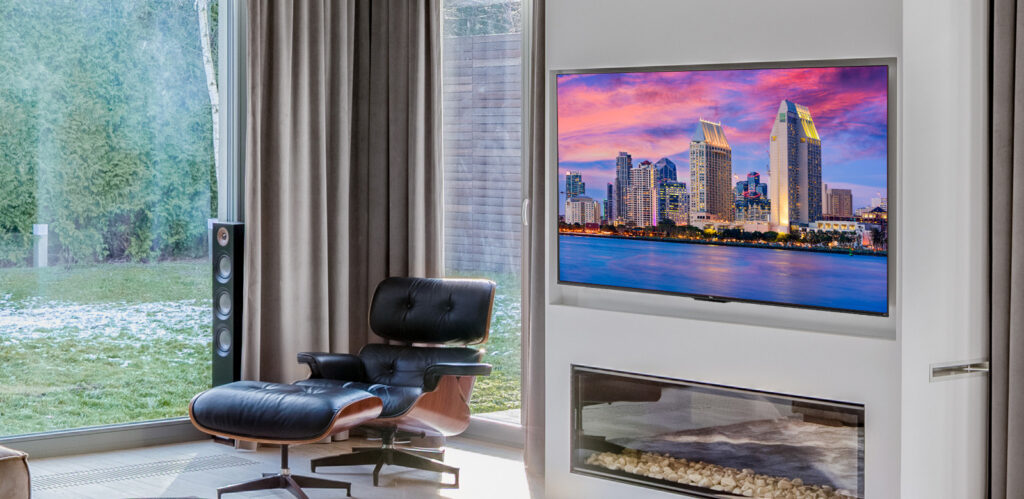
The TCL 4-Series/S455 is one of the most popular entry-level 4K Roku TVs, especially now that it’s available at its low price. It uses a VA panel with relatively high native contrast and good black uniformity, which helps dark scenes look more convincing than on many other cheap edge-lit sets, even though it lacks local dimming entirely. You get easy voice control with Siri, Alexa, and Hey Google. The edge-to-edge design blends nicely in your living room. You can stream free TV, live news, sports, movies, etc.
It is not ideal for demanding HDR or serious competitive gaming, but for casual streaming, broadcast TV, and general use, it offers consistent performance and one of the most user-friendly smart platforms available. The 43- and 50-inch S455 models are currently available for $400 and $500, respectively.
5. TCL S4 / S450G
– Budget 4K with Google TV
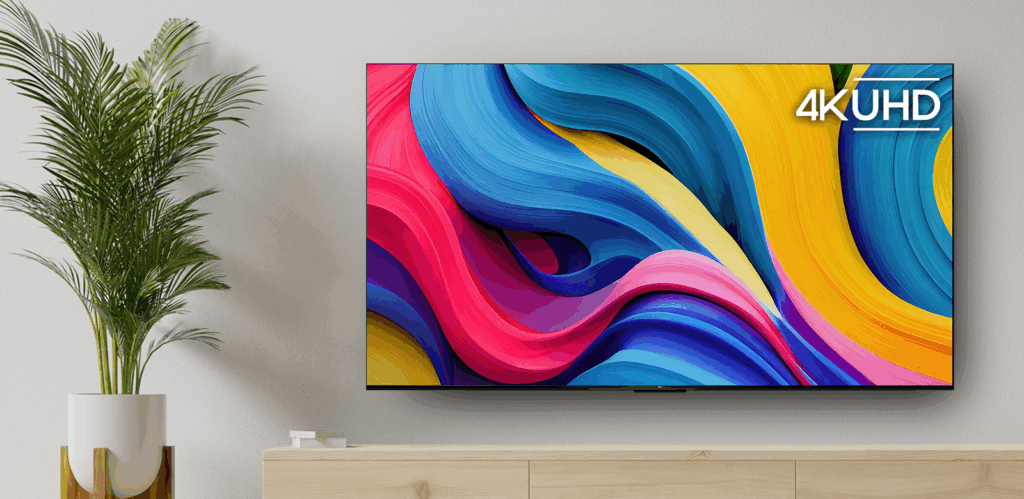
This one is for viewers who prefer Google’s ecosystem and want to minimize spending. This budget TV brings a 4K panel with decent color accuracy and low input lag. It is suitable for light gaming and your everyday streaming needs. This gets HDR Pro (Dolby Vision, HDR10, & HLG), Motion Rate 240 with MEMC Frame Insertion, and Auto Game Mode (ALLM).
For audio, the TV gets you Dolby Atmos and DTS Virtual: X. There’s Chromecast built-in, 3 HDMI inputs, and dual-band Wi-Fi. For around $500, you can get the 58-inch size for $380, while the 65-inch size version is available for $530 during the holiday sale. While it does not offer local dimming or high-end HDR performance, the combination of 4K resolution, Google TV interface, and low cost makes it a strong “no-frills” smart TV for secondary rooms or first-time 4K buyers.
Key Specs at a Glance
| Model | Panel / Tech | Strengths | Typical size under $500 |
|---|---|---|---|
| TCL QM6K | QD Mini-LED, 144 Hz | Best all-around image and gaming under $500 | 55-inch (often 65-inch on sale) |
| TCL QM5K | QD Mini-LED, 60 Hz | Best 65-inch picture quality under $500 | 65-inch |
| TCL T7 | QLED, up to 120 Hz | Balanced image and gaming under $500 | 65-inch |
| TCL 4-Series S455 | LED, 60 Hz | Cheapest decent 4K Roku TV | 43-55 inches |
| TCL S4 / S450G | LED, 60 Hz | Low-cost 4K with Google TV | 55-65 inches |
How to Choose the Right TCL TV Under $500
When buying a TV, you’ll have to start planning with room size and viewing distance. The 55-inch screen is a sweet spot for most living rooms. While the 65-inch version offers a more cinematic feel, it requires a bigger room to make the experience more pleasing. If you care about movie-like contrast and regularly watch HDR content in dim lighting, you are better off with the Mini-LED QM6K or QM5K for their local dimming and higher brightness.
For gamers, it’s always ideal to have a TV with a higher refresh rate and low input lag. Here, the QM6K and TCL T7 are particularly attractive due to their higher-refresh gaming modes. If you’re not that into the technical details and want a TV just for casual streaming, the inexpensive 4-Series S455 or S4/S450G offer plenty of value.
In related news, TCL recently launched the A400 Pro QD Mini LED Art TV with a 4K 144Hz display.
Buying Guides
What’s So Special About TCL T7 4K QLED Smart TV?
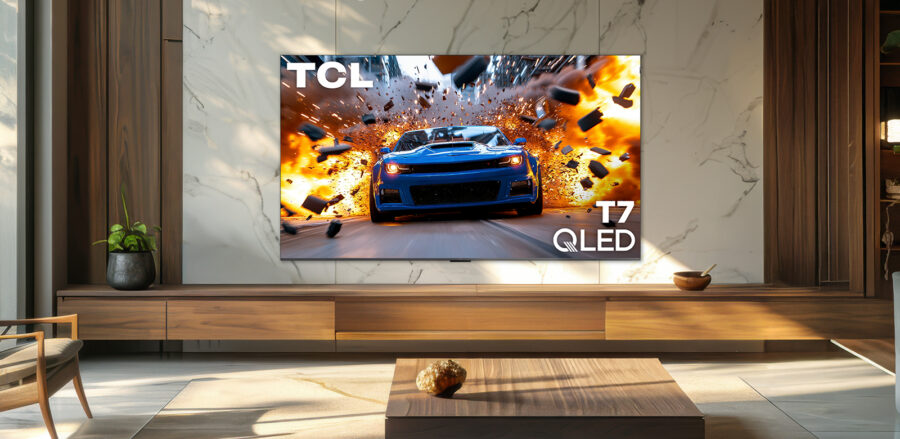
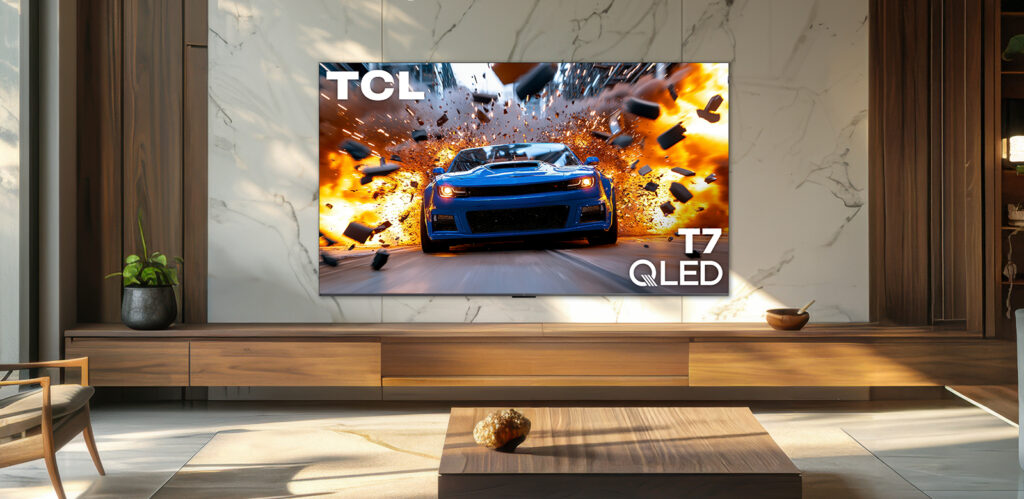
TCL has recently launched the TCL T7 4K QLED Smart TV series as its latest mid-range television lineup. The series includes 4K UHD resolution, QLED panels, high refresh rates, and Google TV integration. TCL positions the T7 as a premium entertainment and gaming TV that targets mainstream buyers without pushing the price too high.
Premium Looks Meet Sensible Design
TCL uses a bezel-less design across all T7 models. The TVs feature a minimalist look that suits wall mounting or table placement. TCL includes adjustable-width feet to allow more flexibility for setups with soundbars or compact entertainment units. This small design choice improves usability, especially in tighter spaces. Despite falling in the mid-range category, the T7 models look refined and clean.
QLED Visuals With 144Hz Sweetness
All four models in the T7 lineup support 4K resolution at 3840 × 2160. The 55-inch variant uses a 120Hz panel, while the 65, 75, and 85-inch versions move up to a native 144Hz refresh rate. This high refresh rate improves fast-motion clarity in games and sports content.
TCL adds support for variable refresh rate (VRR), Auto Low Latency Mode (ALLM), and Game Accelerator. The 85-inch model can reach up to 288 VRR, which helps reduce input lag during gameplay. These features make the T7 Series suitable for console and PC gamers who want smoother motion and lower latency.
All the HDR Formats You Could Ask For
TCL supports a wide range of HDR formats on the T7 Series. Each model handles Dolby Vision, HDR10+, HDR10, HLG, and Open HDR. This broad compatibility allows content from most major streaming platforms to play in the intended HDR format.
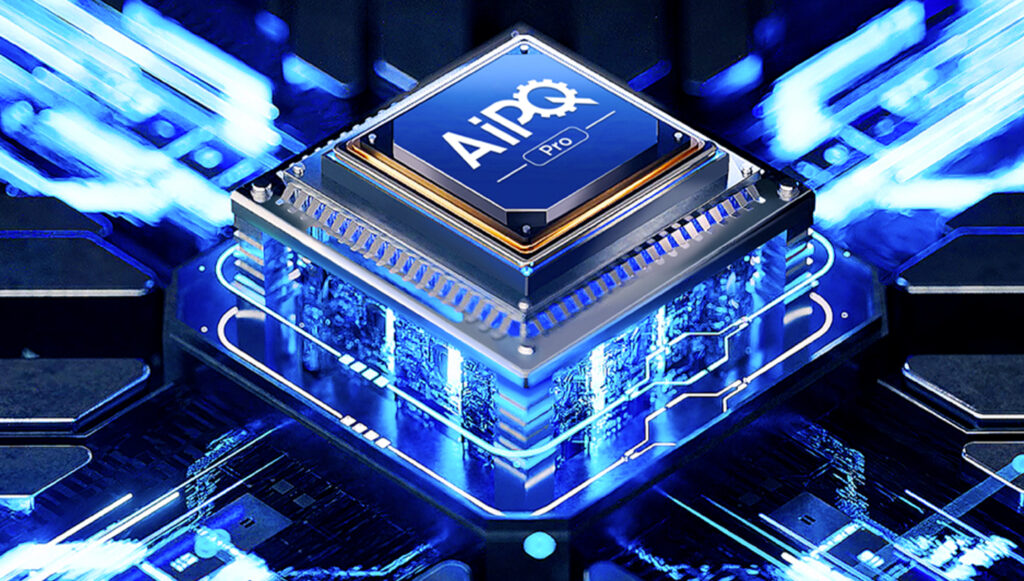
The AiPQ Pro processor powers TCL’s picture enhancement. It adjusts image settings in real time to boost contrast, color accuracy, and detail sharpness. The QLED panel supports 1.07 billion display colors and uses a high-brightness LED backlight to improve image clarity in bright environments.
Smarter, Louder Smart TV
The T7 Series runs on Google TV. This platform gives access to thousands of apps and services, including Netflix, YouTube, and Disney+. Built-in Chromecast and Apple AirPlay 2 support allow wireless casting from Android and iOS devices.
TCL adds far-field microphones to all T7 models. This allows voice control without using the remote. The TVs also support Google Assistant, Amazon Alexa, and Apple HomeKit for smart home control. TCL includes a backlit voice remote and ships the unit with AAA batteries.
The 55-inch, 65-inch, and 75-inch models include a 2.0-channel speaker system, ranging from 20W to 30W. The 85-inch model features a 2.1 Onkyo speaker system with a built-in subwoofer and a total output of 40W. All models support Dolby Atmos and Dolby Digital+ formats to enhance spatial audio.
Ports, Power, and Peace of Mind
TCL includes four HDMI ports on each T7 TV, with one port supporting eARC. The TVs also come with USB 3.0 and USB 2.0 ports, Ethernet input, optical digital audio out, and RF input for antenna or cable. Wireless connectivity uses Wi-Fi 5 (802.11ac).
Other included features are sleep timer, multilingual on-screen display, closed captions, JPEG/MP3 playback from USB, and accessibility options. Power consumption remains under 0.5W in standby mode. The TVs do not carry Energy Star certification. Each model supports VESA wall mounting.
Value Without Compromise
TCL prices the 55-inch T7 at $599.99. The 65-inch model costs $699.99, the 75-inch version is listed at $899.99, and the 85-inch model comes in at $1,399.99. These prices make the T7 Series competitive in the mid-range segment. TCL has not announced a specific release date, but availability is expected by the end of the year.
The T7 Series checks many boxes for buyers who want a high-performance smart TV without entering the premium OLED or Mini LED space. With QLED visuals, 144Hz gaming support, advanced HDR compatibility, and solid audio options, the T7 Series stands out as a complete and well-rounded offering in its price class.
In related news, TCL CSOT showcases its printed OLED, Micro LED, MLED, and tri-fold display technologies at DTC2025, and TCL leads Double 11 TV sales once again as it strengthens its premium position with SQD Mini LED technology.