
News
Trade Talks Ease Tensions as Display Panel Industry Sees Stable Growth; TCL Positioned to Benefit
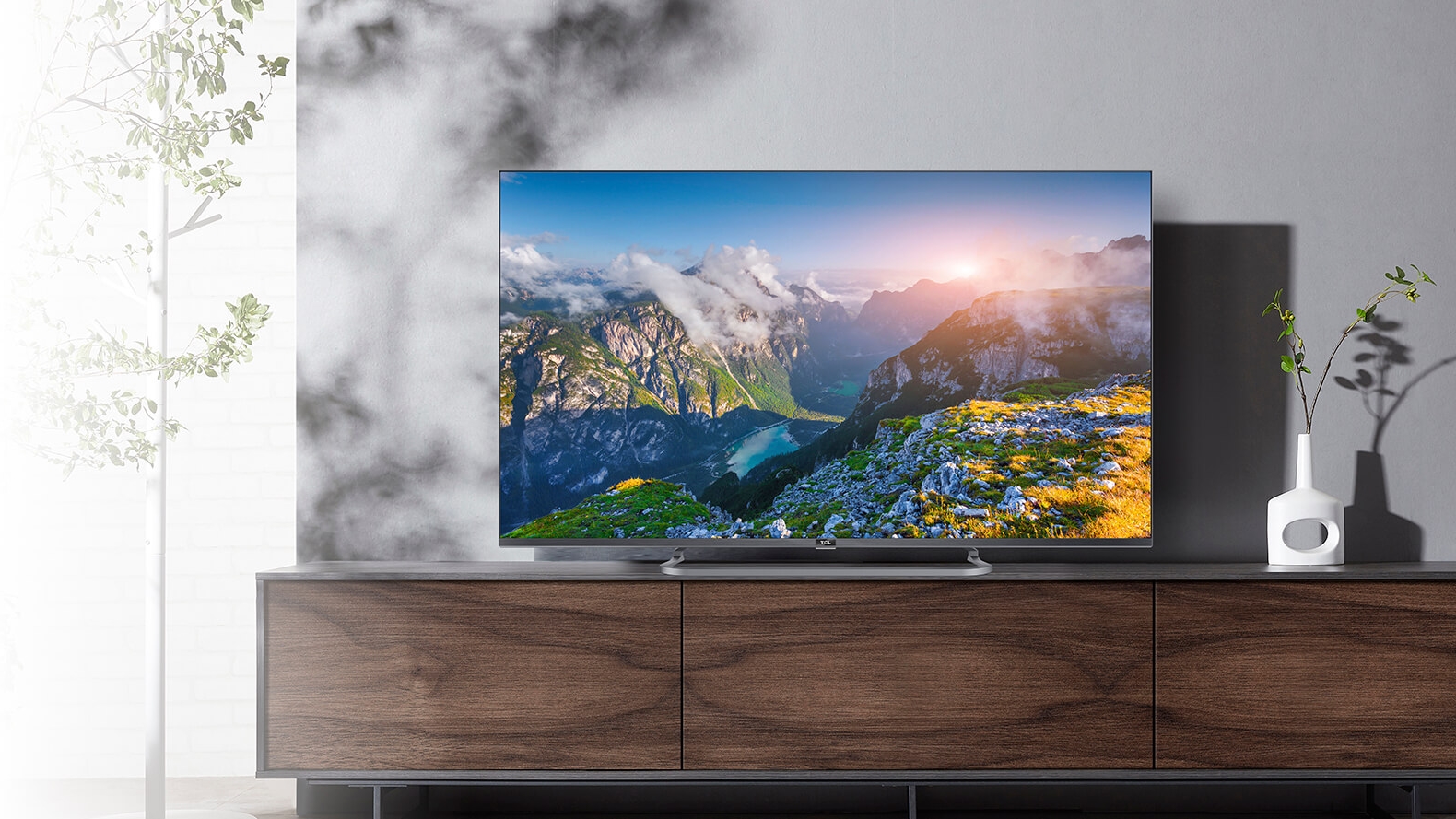
Recent progress in China-US trade negotiations has eased a major short-term risk for the global consumer electronics supply chain. The display panel industry, which faced significant pressure from geopolitical uncertainty, is now showing signs of stability. Analysts expect the sector to return to a steady growth trajectory, supported by improved inventory levels and a shift toward demand-driven production. Major panel makers, including TCL, are expected to maintain strong profitability through the second quarter and beyond.=
In the first quarter of 2025, overseas policy support and Chinese subsidies drove a wave of restocking by set manufacturers. According to RUNTO Technology, global shipments of large-size LCD TV panels reached 63 million units, up 11.5% year-on-year and 4.8% quarter-on-quarter. Shipment area also rose 13.8% compared to last year. Panel prices increased by about $2 across most sizes.
Concerns about a possible slowdown in Q2 have eased. Sigmaintell Consulting estimates that procurement from the world’s top nine TV brands will decline just 2.4% in the second quarter, suggesting stable demand. Supply-side producers have responded with careful capacity management. TrendForce reports that industry utilization in May dropped by 6% to 7%, reaching around 80%. This adjustment has helped stabilize panel prices. Average prices for 55-inch and 65-inch TV panels remain unchanged at $127 and $177, the highest since the fourth quarter of last year.
TCL expects the current industry trends to support better results in 2025. The company recently highlighted long-term supply-demand improvements during its investor briefing. It projected higher average utilization and pricing levels compared to last year. TCL is also finalizing the full integration of LG Display’s Guangzhou assets in Q2. In addition, its planned acquisition of minority stakes in CSOT’s t6 and t7 Gen-11 lines is expected to enhance profitability.
While trade risks still exist, market experts believe their direct impact on the panel industry may be limited. TCL’s global presence and production scale continue to strengthen its position as demand stabilizes.
In related news, TCL CSOT has unveiled the world’s first inkjet-printed OLED smartphone panel and introduced new Micro LED technology at SID 2025.
(Source)



News
TCL unveils 163-inch flagship Micro LED TVs with stunning 4K and brightness
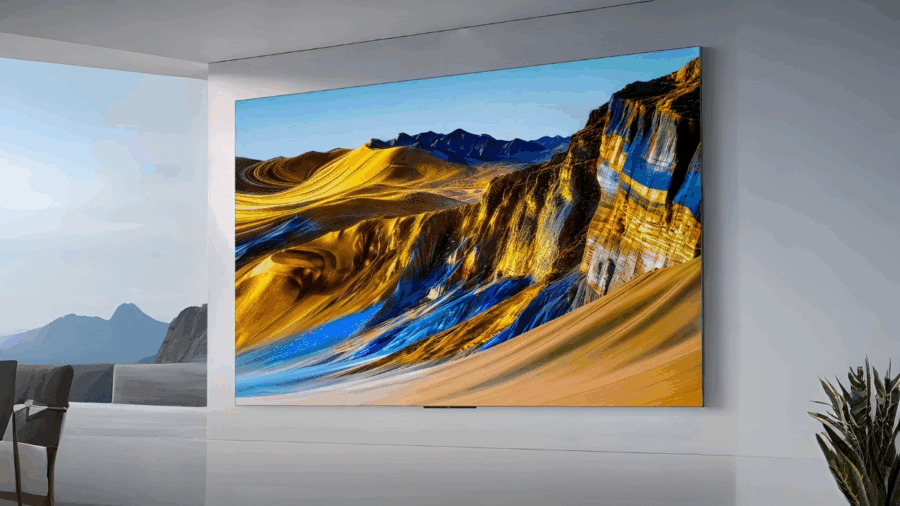
TCL has launched two new 163-inch Micro LED TVs, the Max163M and Max163M Pro, aimed at ultra-premium home theater setups. The Max163M is priced at 249,999 yuan ($36,303), while the Max163M Pro costs 349,999 yuan ($50,824).
TCL Max163M Specifications
The Max163M features a 4K Micro LED display with over 24.88 million inorganic self-emissive chips. The screen delivers pixel-level light control with a peak brightness of up to 10,000 nits. The display supports 3×22-bit+ color depth, which improves color accuracy and gradient smoothness.
TCL designed the Max163M Pro for users who want a high refresh rate. The Pro model includes a 4K 120Hz panel that supports 120Hz signal processing and MEMC motion smoothing. The TV achieves a pixel-level refresh rate of up to 3840Hz, which ensures smooth motion clarity for gaming or fast-paced content.
Both models use Micro LED technology with inorganic materials like GaN and GaP, ensuring durability and consistent picture quality over time. TCL claims the TVs will last up to 100,000 hours. The screens also include full-area light and color calibration, ensuring uniform brightness and accurate colors across the display.
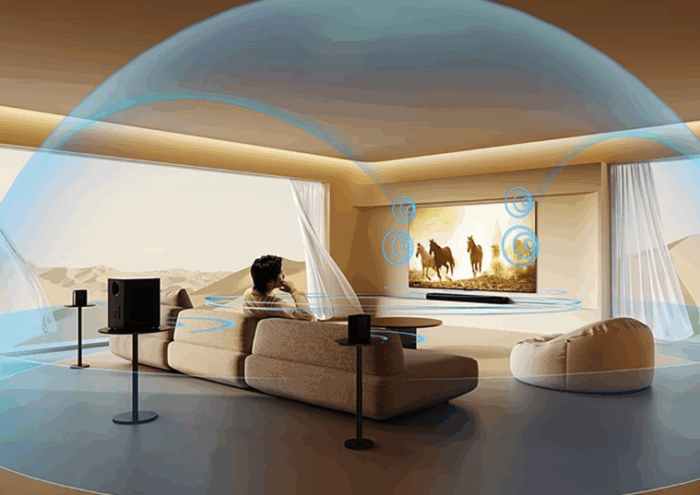
TCL equipped both TVs with a new-generation SoC built on a 12nm process. The system delivers 1.6T computing power and enhances picture quality through intelligent contrast, color, and clarity optimizations. The TVs include a quad-core processor, 4GB of RAM, and 128GB of storage.
The Max163M and Max163M Pro include four HDMI 2.1 ports, along with USB 3.0 and USB 2.0 ports. TCL’s Ling Control System 3.0 provides an ad-free interface with a card-style layout for smooth multitasking.
Both TVs feature an ultra-thin, bezel-less design. TCL also offers support for a 7.1.4 channel audio system with up to 860W output, delivering an immersive sound experience.
In related news, TCL has also introduced the T7M Pro SQD-Mini LED TV with a 4K 150Hz panel and Dolby Atmos, alongside the Q9M Pro SQD-Mini LED TV featuring a 4K 150Hz display and up to 5000 nits of XDR brightness.
News
TCL T7M Pro SQD-Mini LED TV launched with 4K 150Hz panel & Dolby Atmos
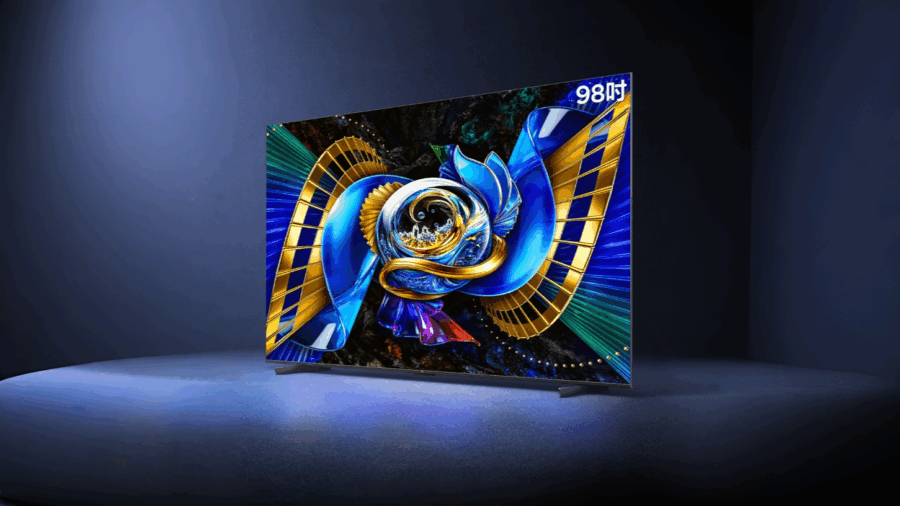
TCL has launched the T7M Pro SQD-Mini LED TV in China. The new lineup starts at 6,199 yuan ($900) for the 65-inch model and goes up to 14,999 yuan ($2,178) for the 98-inch version.
TCL T7M Pro SQD-Mini LED TV Specifications
The TCL T7M Pro features the advanced SQD-Mini LED display system with 1,152 local dimming zones for precise light control and improved contrast. It offers 100% BT.2020 color gamut coverage for vibrant, accurate colors and delivers up to 2,200 nits peak brightness with Colorful XDR technology, enhancing HDR performance.
The TCL T7M Pro utilizes a Super Butterfly Wing Star panel for enhanced light filtering and RGB output, along with improved quantum dot technology for superior color purity and stability. It features native 4K resolution, a 150Hz refresh rate (upgradable to 300Hz), and advanced motion handling with MEMC and AI-based smoothing to reduce blur and ghosting.
The T7M Pro includes a 2.1.2 channel audio system designed by Onkyo. The setup features up-firing speakers, a built-in subwoofer, and support for Dolby Atmos and DTS formats. TCL claims the system provides immersive and clear sound quality.
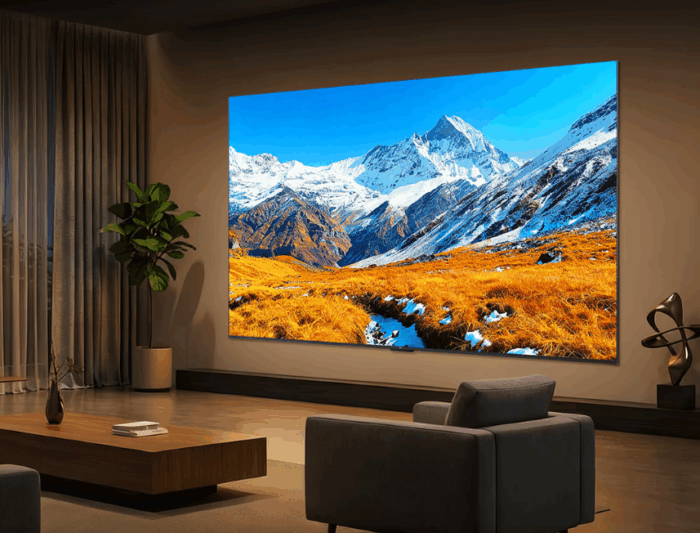
The TV is powered by a quad-core Cortex-A73 CPU and Mali-G57 GPU. It includes 4GB of RAM and storage options of 64GB or 128GB, depending on the model. For connectivity, it includes four HDMI 2.1 ports, USB 3.0, USB 2.0, and Wi-Fi 6.
TCL has integrated the Lingkong UI 3.0, which uses AI to optimize picture and sound. The interface features smart recommendations and interaction capabilities. The T7M Pro has a slim 60mm design and supports near-flush wall mounting.
In related news, TCL has launched the Q9M Pro SQD-Mini LED TV with a 4K 150Hz display and up to 5,000 nits XDR brightness, along with the T7M Ultra SQD-Mini LED series featuring a 4K 150Hz panel and 3,000 nits XDR brightness.
News
TCL Q9M Pro SQD-Mini LED TV launched with 4K 150Hz panel, 5000 nits XDR brightness
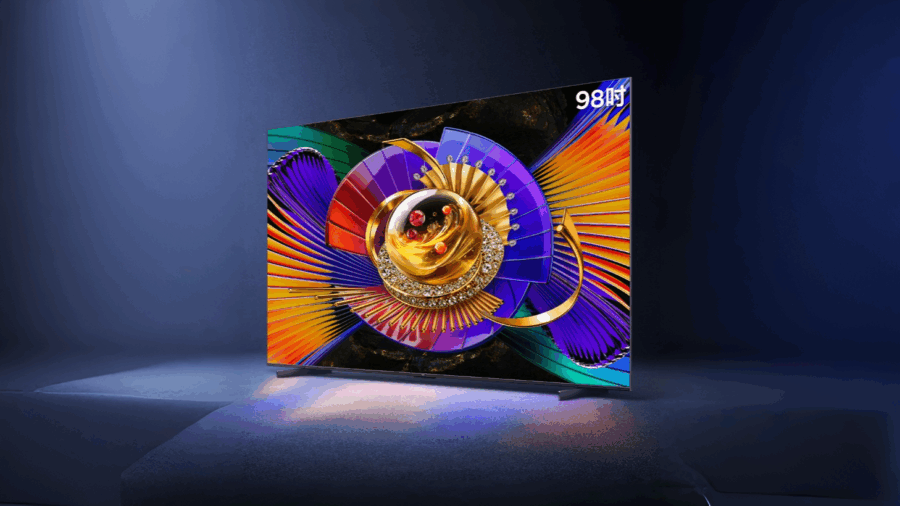
TCL has officially launched the Q9M Pro SQD-Mini LED TV at its spring event. The new TV starts at 6,199 yuan ($900), with prices reaching up to 19,999 yuan ($2,904) for the largest model. The Q9M Pro comes in 55, 65, 75, 85, and 98-inch sizes.
TCL Q9M Pro Specifications
The Q9M Pro uses TCL’s advanced SQD-Mini LED display technology, which builds on traditional Mini LED designs. The TV includes up to 3,552 local dimming zones, allowing for precise light control and deeper contrast. It supports a full 100% BT.2020 color gamut, enabled by upgraded quantum dot materials and high-purity filters. TCL delivers a peak brightness of 5,000 nits with XDR support for enhanced HDR performance.
TCL has equipped the TV with its Butterfly Wing Starlight display panel. This panel improves contrast, viewing angles, and reflection handling. The HVA 2.0 panel technology boosts native contrast by up to five times compared to standard LCDs. The TV uses dual-layer low-reflection coatings and a wide 178-degree viewing angle to ensure consistent picture quality from all sides.
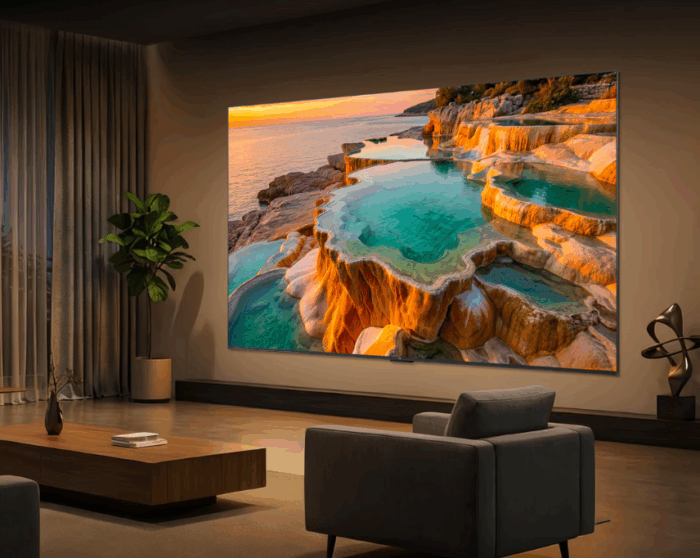
The TV supports a native 4K resolution with a 150Hz refresh rate. It allows for up to 300Hz in high frame rate modes. TCL’s TSR AI picture engine enhances lower-resolution content to near-4K quality, improving sharpness, noise reduction, and color accuracy.
The Q9M Pro comes with a 2.1.2-channel Onkyo Hi-Fi audio system. It includes upward-firing drivers and a built-in subwoofer for immersive surround sound. Connectivity options include four HDMI 2.1 ports, USB 3.0, USB 2.0, LAN, and Wi-Fi 6.
TCL has designed the TV with a slim 60mm profile and included cable management for a clean setup. The Lingkong System 3.0 powers the interface, offering AI-based features, multi-user profiles, and a no-boot-ad experience.
In related news, TCL has also introduced the T7M Ultra SQD-Mini LED TV in China, featuring a 4K 150Hz panel and up to 3000 nits XDR brightness.